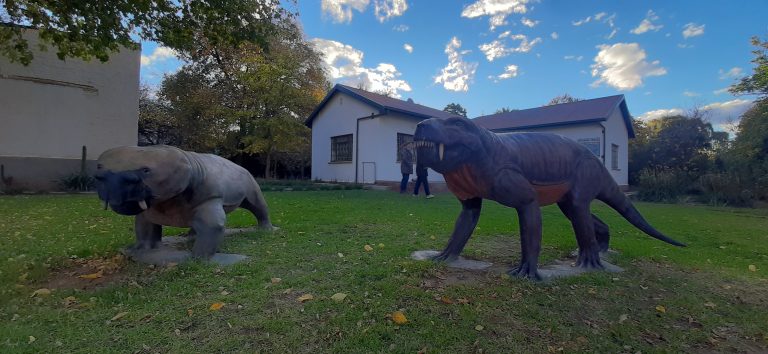
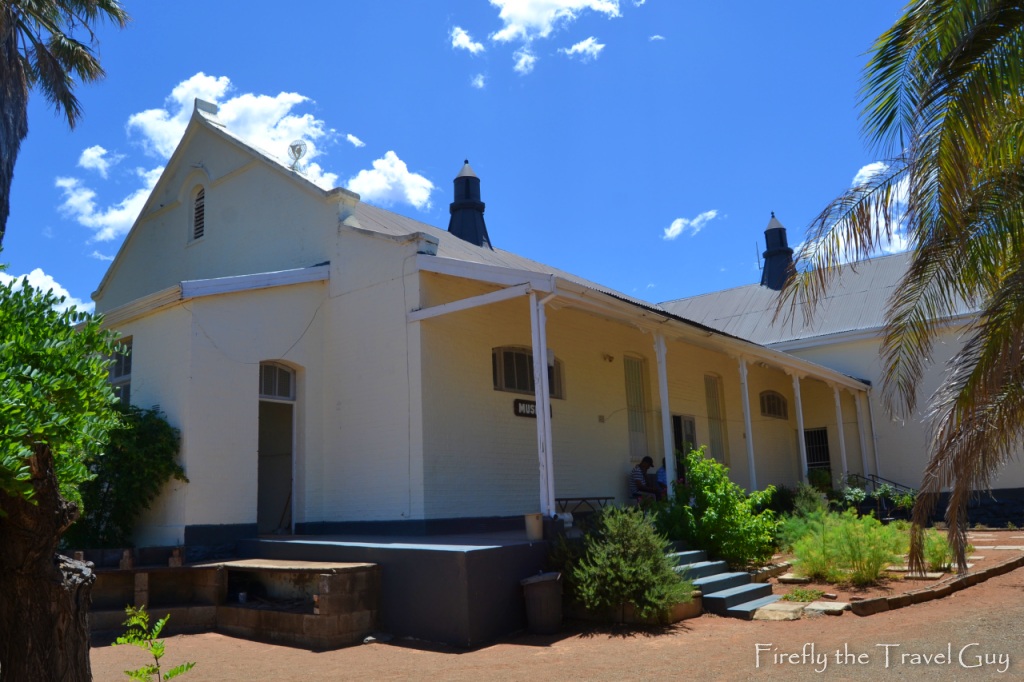
If you want to learn more about the history of a small town, then the best thing to do is to look up the town museum. They’re usually a virtual cyclopaedia containing everything you want to know about the town and the region. I’ve been reading a little about some of the exhibits in the Middelburg Cultural History Museum, so when I had a chance to visit the town, I headed straight over to the museum
The town’s Museum Association was founded in 1983 with the prospect of establishing its own museum. The former poor school, which later became the preparatory school, was standing empty and the association persuaded the municipality to buy it from the Department of Education. The museum was officially opened on 30 November 1985 with Mrs Hettie v d Walt as the first curator.
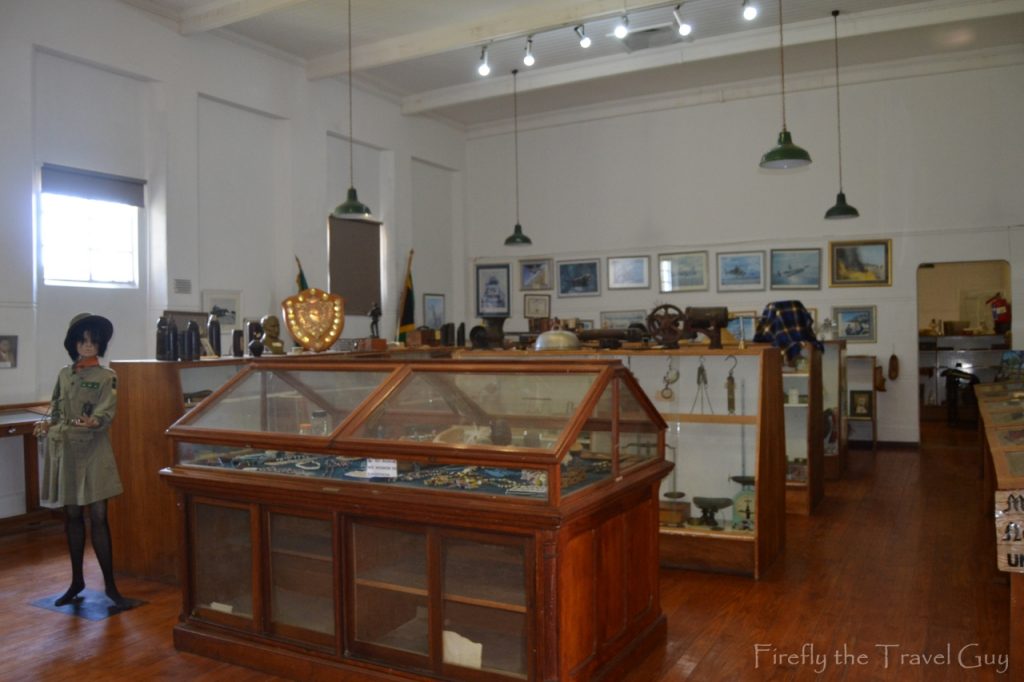
With a couple of options on where to start, I headed inside first. The museum contains fascinating memorabilia and information from the Anglo-Boer War, personalia of well-known personalities with roots in Middelburg, and a lot of items from the early days of the town.
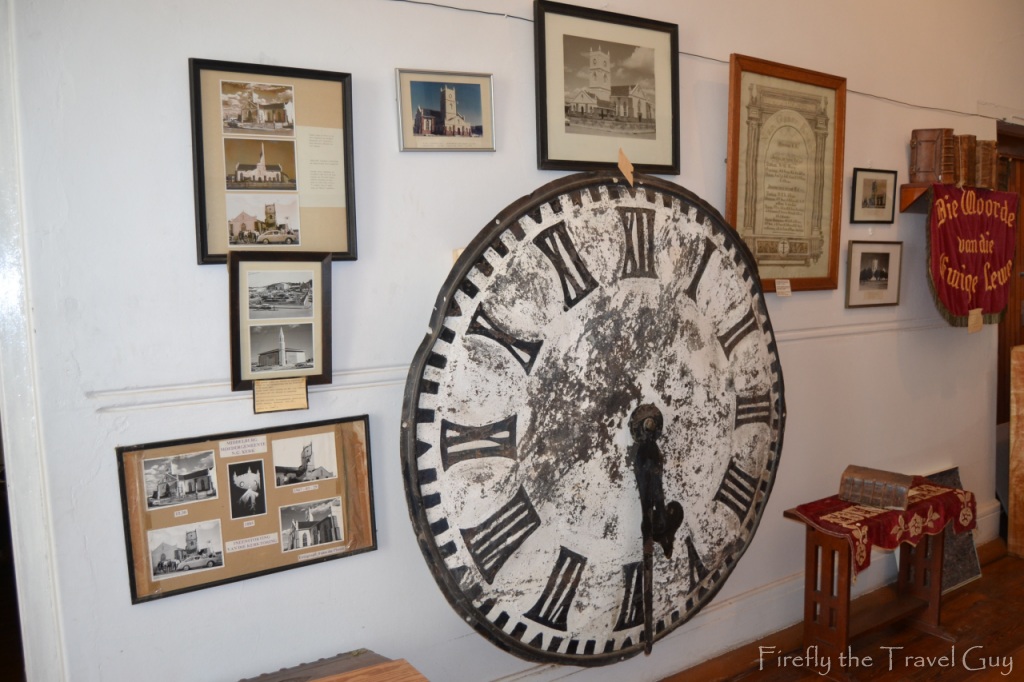
My favourite part of the exhibit was the section on the town’s historic Dutch Reformed Church. The church was completed in 1858 and the church tower collapsed in 1967, after which the current church was built. Part of the exhibition is one of the original clock faces that was salvaged from the rubble.
The outside exhibits include the Bushman Cave, containing their internationally renowned collection of San artefacts found on a farm in the district. The exhibit delves into the mesmerising world of San rock art and Stone Age artefacts.
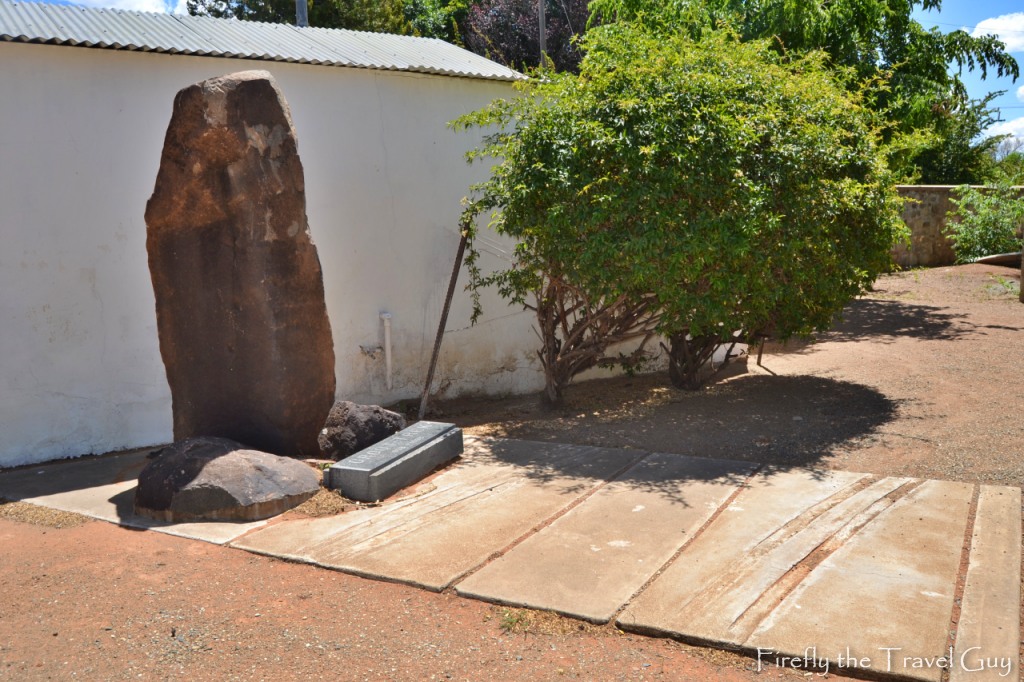
There’s also a monument commemorating the 150th anniversary of the Great Trek with the 1988 Commemorative wagon’s tracks edged in cement.
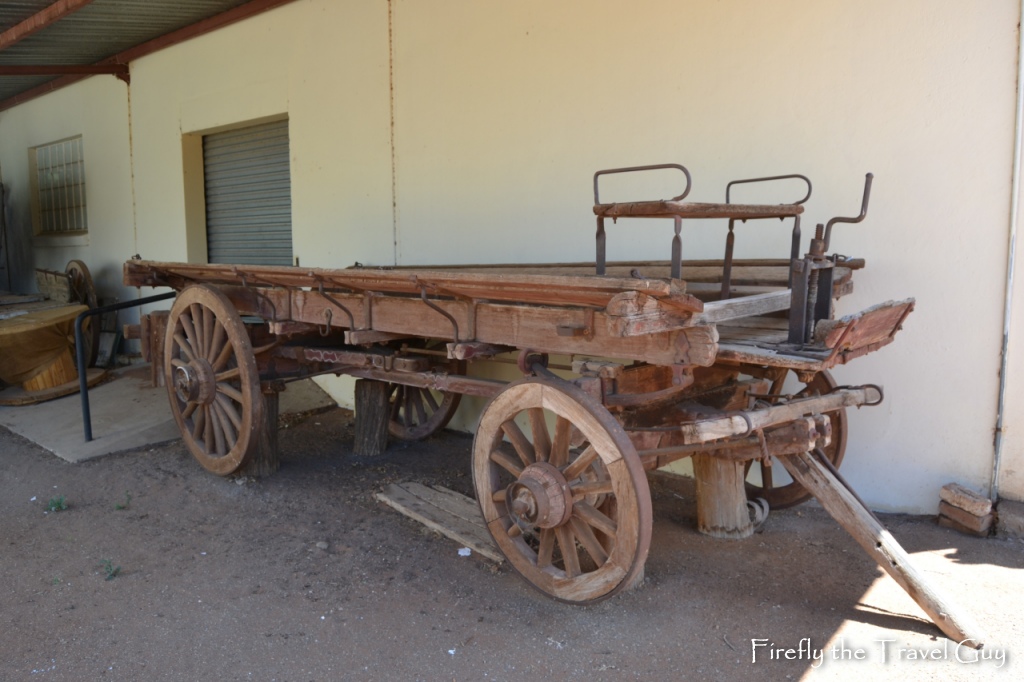
Finally, I had a look at the old ox wagon and vintage farming implements on display.
So much to see and learn about the history of a small Karoo town if you know where to go and look for it, and here I definitely found it.